

Unexplained Infertility: Causes, Symptoms, Diagnosis, Treatment & Natural Pregnancy Chances
Introduction
Have you been trying to conceive but all your fertility tests are normal? You’re not alone. Unexplained infertility is a common diagnosis affecting many couples worldwide. While it can feel frustrating not to have a clear answer, modern fertility treatments have helped thousands of couples achieve successful pregnancies.
Trying to conceive can be an emotional journey for many couples. While some people are diagnosed with specific fertility problems, others receive normal test results but still struggle to achieve pregnancy. This condition is known as Unexplained Infertility.
Unexplained infertility can be frustrating because there is no obvious reason for the difficulty in conceiving. However, it is important to understand that “unexplained” does not mean “untreatable.” With modern fertility treatments and expert medical guidance, many couples with unexplained infertility successfully achieve pregnancy.
This article explains what unexplained infertility is, its possible causes, diagnosis, treatment options, and ways to improve your chances of conception.

What is Unexplained Infertility?
Unexplained infertility is diagnosed when a couple has been trying to conceive for at least one year (or six months if the woman is over 35 years old) and all standard fertility tests show normal results.
These tests usually include:
- Regular ovulation in the female partner
- Healthy fallopian tubes
- Normal uterus
- Good ovarian reserve
- Normal semen analysis in the male partner
Despite all these results being normal, pregnancy does not occur naturally.
How Common is Unexplained Infertility?
Unexplained infertility affects approximately 10–30% of infertile couples. It is one of the most common infertility diagnoses seen in fertility clinics.
Although the exact cause cannot be identified through routine tests, hidden factors may still affect fertility.
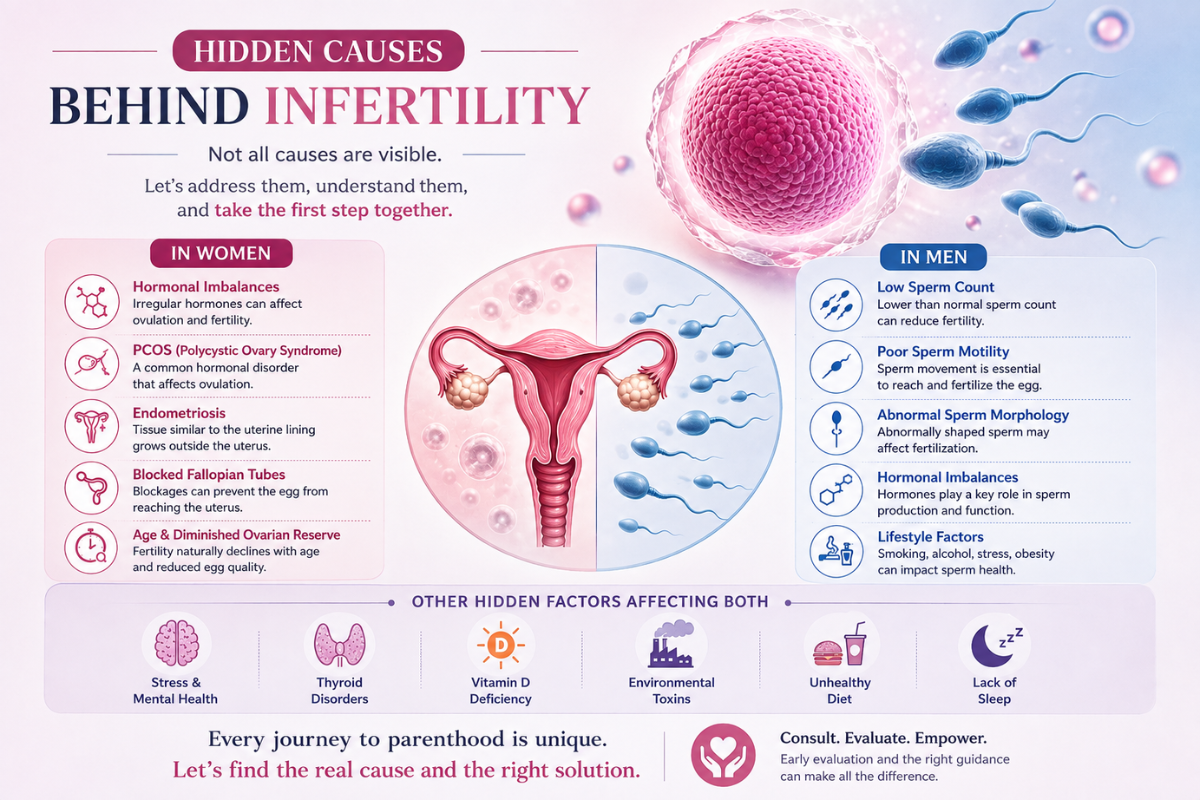
Possible Hidden Causes of Unexplained Infertility
Even when routine fertility tests are normal, several underlying factors may contribute to infertility.
- Egg Quality Issues
A woman may release an egg every month, but the quality of the egg may not be sufficient for successful fertilization.
- Sperm Function Problems
A semen analysis may appear normal, but sperm may have difficulty reaching or fertilizing the egg due to functional issues.
- Fertilization Problems
Sometimes the egg and sperm fail to fertilize naturally even though both appear healthy.
- Implantation Failure
After fertilization, the embryo must attach to the uterine lining. Failure of implantation can prevent pregnancy.
- Mild Endometriosis
Small areas of endometriosis may not be detected during routine investigations but can still affect fertility.
- Hormonal Imbalance
Minor hormonal changes may interfere with ovulation or implantation without appearing abnormal in routine blood tests.
- Lifestyle Factors
Several lifestyle habits can reduce fertility, including:
- Smoking
- Alcohol consumption
- Obesity
- Poor diet
- Lack of exercise
- Chronic stress
- Inadequate sleep
- Genetic or Immune Factors
Some couples may have genetic or immune-related conditions that affect fertilization or embryo implantation.
Symptoms of Unexplained Infertility
Most couples with unexplained infertility have no specific symptoms.
Women usually have:
- Regular menstrual cycles
- Normal ovulation
- No pelvic pain
- Normal ultrasound findings
The main symptom is the inability to conceive despite regular unprotected intercourse.
How is Unexplained Infertility Diagnosed?
Doctors diagnose unexplained infertility only after completing a comprehensive fertility evaluation.
Investigations usually include:
- Medical history
- Physical examination
- Ovulation assessment
- Hormone blood tests
- Pelvic ultrasound
- Ovarian reserve testing
- HSG (to check fallopian tubes)
- Semen analysis
If all these tests are normal and pregnancy has not occurred, unexplained infertility may be diagnosed.
Treatment Options for Unexplained Infertility
Treatment depends on several factors including age, duration of infertility, ovarian reserve, and previous pregnancy history.
- Lifestyle Modifications
Simple lifestyle improvements can increase fertility.
Doctors may recommend:
- Maintaining a healthy weight
- Eating a balanced diet
- Regular physical activity
- Stress management
- Avoiding smoking and alcohol
- Taking folic acid supplements
- Timed Intercourse
Ovulation tracking helps couples have intercourse during the most fertile days.
- Ovulation Induction
Fertility medications may stimulate the ovaries to produce more mature eggs, increasing the chance of pregnancy.
- Intrauterine Insemination (IUI)
In IUI treatment:
- Healthy sperm are prepared in the laboratory.
- The sperm are placed directly into the uterus during ovulation.
This procedure increases the chance of sperm meeting the egg.
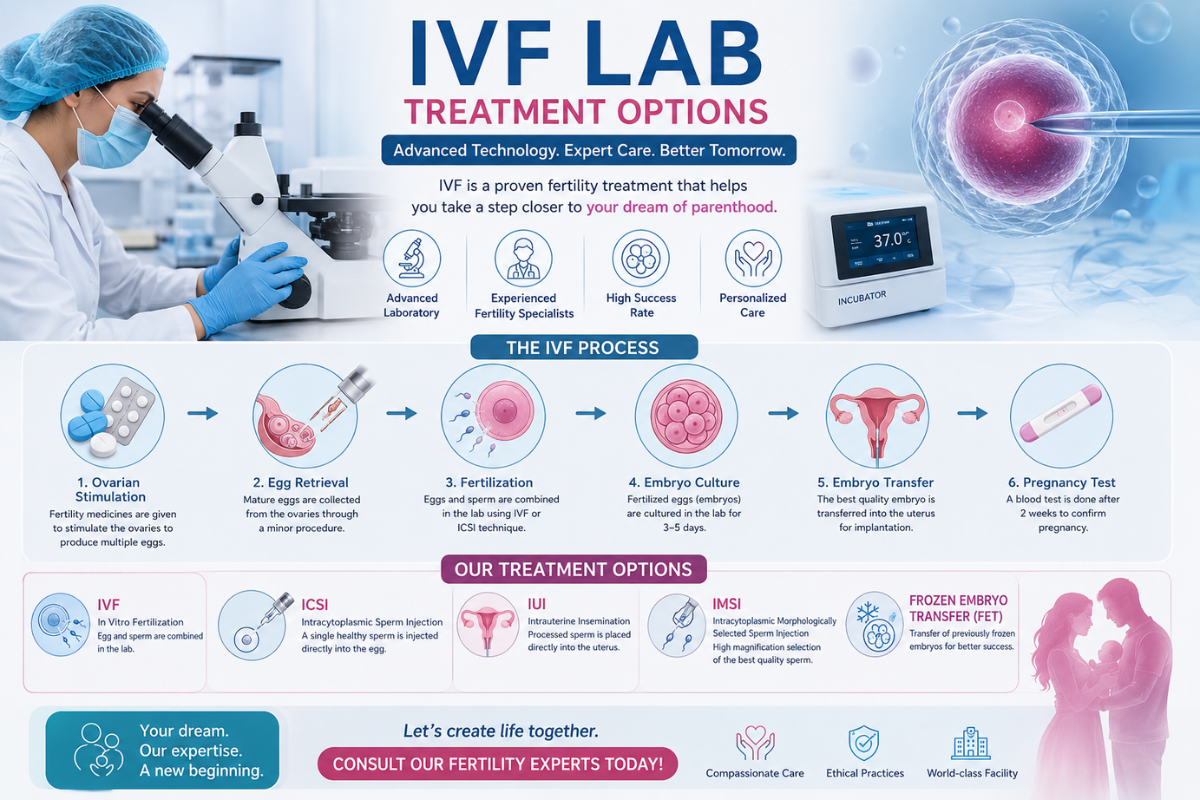
- In Vitro Fertilization (IVF)
IVF is one of the most effective treatments for unexplained infertility.
The IVF process includes:
- Ovarian stimulation
- Egg retrieval
- Fertilization in the laboratory
- Embryo development
- Embryo transfer into the uterus
IVF helps overcome many hidden fertility issues that routine tests cannot identify.
Can Couples with Unexplained Infertility Get Pregnant Naturally?
Yes.
Some couples conceive naturally without treatment, especially if they are younger and have been trying for a shorter period.
However, if pregnancy does not occur after several months, consulting a fertility specialist is recommended.
Tips to Improve Fertility Naturally
To support your fertility:
- Maintain a healthy BMI.
- Eat a nutrient-rich diet.
- Exercise regularly.
- Sleep for 7–8 hours daily.
- Reduce stress through yoga or meditation.
- Avoid smoking and alcohol.
- Limit excessive caffeine intake.
- Have regular intercourse during the fertile window.
When Should You Consult a Fertility Specialist?
Seek medical advice if:
- You are under 35 and have been trying for more than 12 months.
- You are 35 years or older and have been trying for more than 6 months.
- You have experienced repeated pregnancy loss.
- You have undergone unsuccessful fertility treatments.
Early evaluation can improve treatment outcomes.
Frequently Asked Questions (FAQs)
- Is unexplained infertility common?
Yes. It accounts for approximately 10–30% of infertility cases.
- Can unexplained infertility be cured?
Although the exact cause may remain unknown, many couples achieve pregnancy through appropriate fertility treatment.
- Is IVF necessary for unexplained infertility?
Not always. Depending on your age and fertility history, your doctor may recommend lifestyle changes, ovulation induction, IUI, or IVF.
- Can stress cause unexplained infertility?
Stress alone is usually not the primary cause, but reducing stress can improve overall reproductive health.
- What is the success rate of treatment?
Success rates depend on factors such as age, egg quality, sperm quality, and the treatment method used.
Conclusion
Being diagnosed with unexplained infertility can feel overwhelming, but it does not mean that pregnancy is impossible. Many couples with this diagnosis go on to have healthy pregnancies through the right evaluation, personalized treatment, and expert fertility care.
If you have been trying to conceive without success despite normal test results, consult a fertility specialist. Early diagnosis and the right treatment plan can significantly improve your chances of achieving your dream of parenthood.

Contact Us
At Sri Vruksham IVF & Women Health, our experienced fertility specialists provide advanced fertility evaluations and personalized treatment plans for couples facing unexplained infertility. From lifestyle guidance and IUI to advanced IVF treatments, we are committed to supporting you at every stage of your parenthood journey. Book your consultation today and take the next step with confidence.
Sri Vruksham IVF & Women Health
📍 Mogappair West, Chennai
📞 +91 91761 12228
Book your consultation today and take the first step toward your parenthood journey.