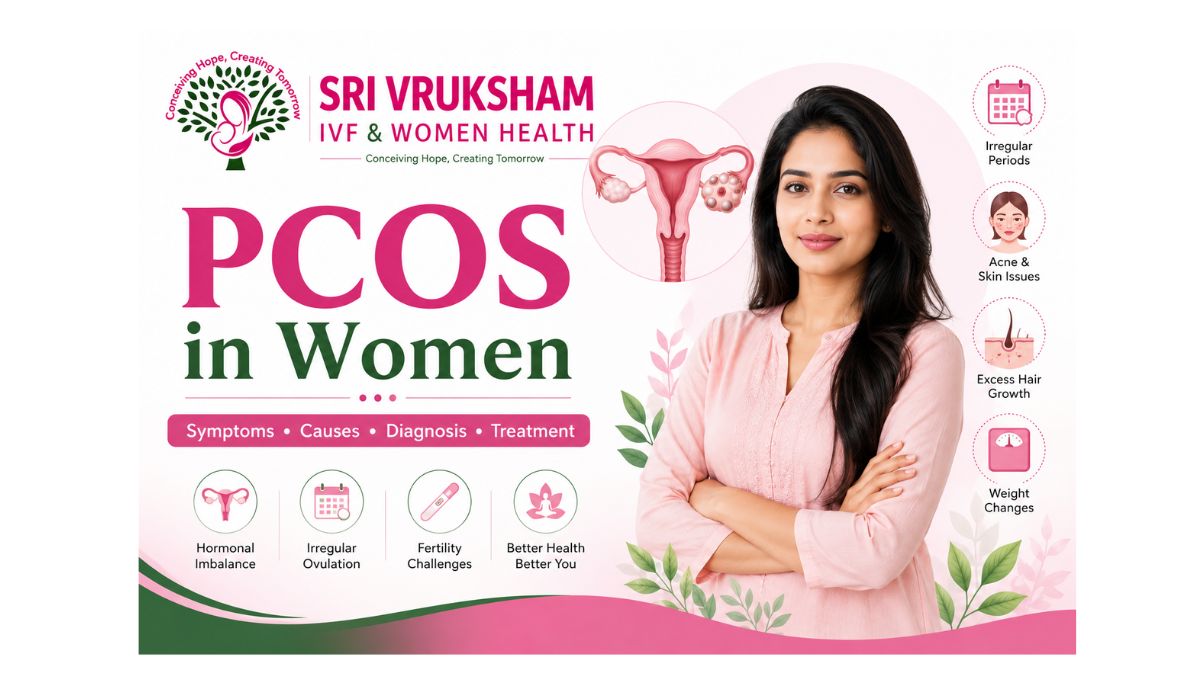
PCOS in Women: Symptoms, Causes, Diagnosis, Treatment & Fertility
Polycystic Ovary Syndrome (PCOS) is a common hormonal and metabolic condition affecting women during their reproductive years. It can affect menstrual cycles, ovulation, skin, hair growth, metabolism, and fertility.
Some women may experience irregular periods, acne, excess facial or body hair, hair thinning, weight changes, or difficulty becoming pregnant.
The good news is that PCOS can often be managed effectively with appropriate medical care, healthy lifestyle habits, and treatment tailored to individual needs.
Key Takeaways
- PCOS is a common hormonal and metabolic condition.
- Symptoms vary from one woman to another.
- You do not need to have ovarian cysts to have PCOS.
- PCOS may affect ovulation and fertility.
- Many women with PCOS can become pregnant naturally or with appropriate fertility treatment.
- Treatment depends on symptoms, overall health, age, metabolic health, and pregnancy plans.
What Is PCOS?
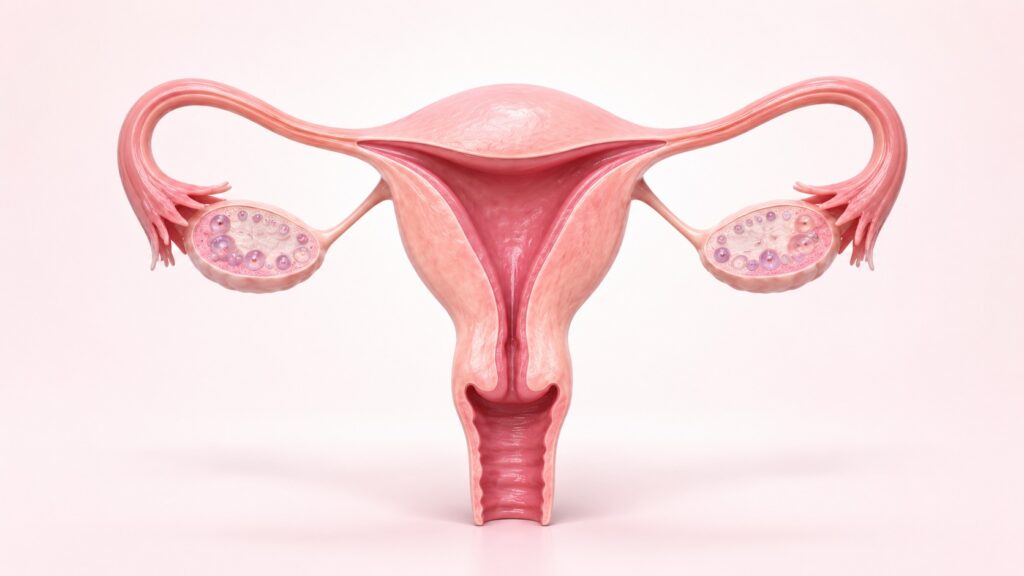
PCOS, or Polycystic Ovary Syndrome, is a condition associated with hormonal and metabolic changes that may affect normal ovulation and increase androgen activity.
Despite its name, having ovarian cysts is not necessary for a diagnosis of PCOS.
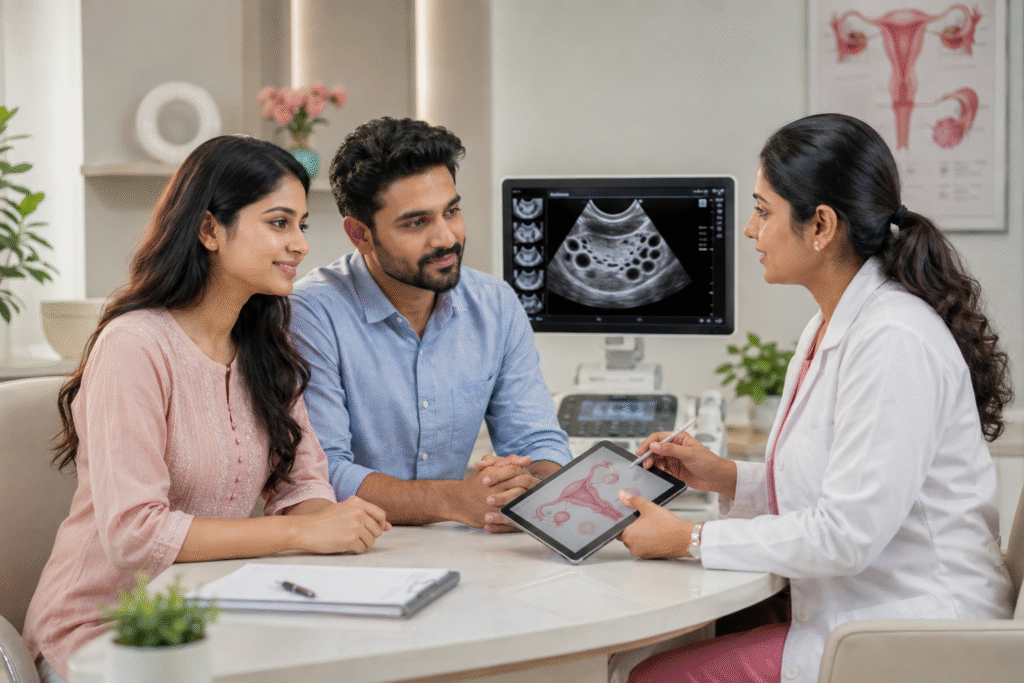
Diagnosis is generally based on a combination of medical history, symptoms, physical examination, and appropriate investigations. Blood tests and pelvic ultrasound may be recommended when needed.
What Causes PCOS?
There is no single known cause of PCOS. Several factors may contribute, including:
- Genetic factors
- Hormonal changes
- Insulin resistance
- Increased androgen activity
- Metabolic factors
- Family history of PCOS or related metabolic conditions
PCOS can occur in women of different body types. Being overweight is not a requirement for having PCOS.
Common Symptoms of PCOS
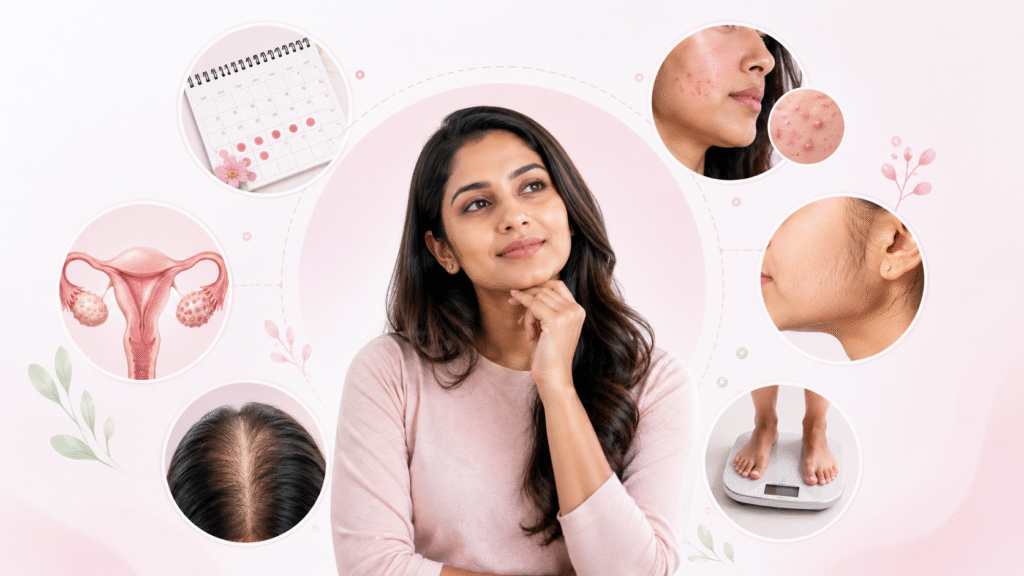
Symptoms can vary considerably between women. Common symptoms include:
1. Irregular Periods
Periods may become less frequent, unpredictable, or sometimes stop for several months. This may occur when ovulation is irregular or absent.
2. Excess Facial or Body Hair
Increased androgen activity may cause unwanted hair growth on areas such as the face, chest, or abdomen.
3. Acne and Oily Skin
Hormonal changes may contribute to persistent or recurrent acne, particularly around the face, jawline, and chin.
4. Weight Changes
Some women with PCOS experience weight gain or difficulty losing weight. However, PCOS can also occur in women with a normal body weight.
5. Hair Thinning
Hormonal changes may contribute to thinning of scalp hair or increased hair loss in some women.
6. Difficulty Becoming Pregnant
PCOS can affect regular ovulation. When ovulation is irregular or absent, predicting the fertile period and becoming pregnant naturally may be more difficult.
Can PCOS Affect Fertility?
Yes. PCOS is a common cause of ovulation-related fertility problems.
However, having PCOS does not mean that pregnancy is impossible. Many women with PCOS conceive naturally, while others may need treatment to improve ovulation or increase their chances of pregnancy.
Depending on the individual fertility evaluation, treatment may include:
- Lifestyle modifications
- Ovulation-inducing medicines
- Timed intercourse
- IUI (Intrauterine Insemination)
- IVF (In Vitro Fertilisation)
- ICSI (Intracytoplasmic Sperm Injection) in selected cases
Before recommending fertility treatment, a fertility specialist may evaluate ovulation, ovarian reserve, fallopian tubes, and the male partner’s fertility factors.
PCOS alone does not determine whether you need IUI or IVF. Treatment should be based on a complete fertility evaluation of both partners.
How Is PCOS Diagnosed?
There is no single test that confirms PCOS in every woman.
Your doctor may consider:
- Menstrual history
- Symptoms such as excess hair growth or acne
- Physical examination
- Hormonal blood tests when appropriate
- Metabolic tests when clinically indicated
- Pelvic ultrasound when required
- Other possible causes of irregular periods or hormonal symptoms
Depending on your symptoms, your doctor may also evaluate other conditions, such as thyroid disorders or elevated prolactin levels.
A proper medical evaluation is important because several other conditions can cause symptoms similar to PCOS.
PCOS Treatment
There is no single treatment suitable for every woman with PCOS.
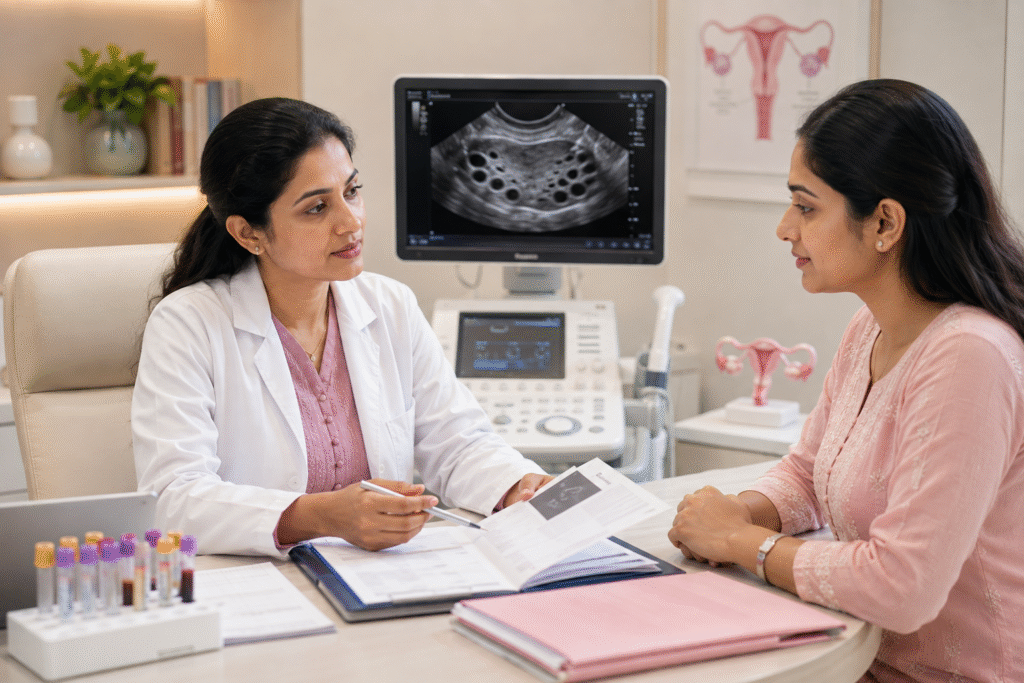
Treatment depends on your symptoms, age, overall health, metabolic health, menstrual pattern, and fertility goals.
If You Are Not Planning Pregnancy
Treatment may focus on:
- Managing irregular periods
- Managing acne and unwanted hair growth
- Supporting metabolic health
- Healthy weight management when appropriate
- Addressing insulin resistance when clinically indicated
Your doctor may recommend medications based on your individual symptoms and health needs.
If You Are Planning Pregnancy
If PCOS is affecting ovulation, treatment may be recommended to help achieve regular ovulation and improve the chances of pregnancy.
Depending on the fertility evaluation, treatment may include ovulation-inducing medicines, timed intercourse, IUI, IVF, or ICSI in selected cases.
The appropriate treatment should be decided after evaluating both partners and identifying other possible fertility factors.

Lifestyle Changes That May Help Manage PCOS
Lifestyle management is an important part of PCOS care.
Eat a Balanced Diet
Choose a balanced diet containing vegetables, fruits, whole grains, protein, and healthy fats. Reducing excessive intake of highly processed foods and added sugars may support metabolic health.
Stay Physically Active
Regular physical activity can support metabolic health, fitness, and overall wellbeing. Choose activities that you enjoy and can maintain consistently.
Maintain a Healthy Sleep Routine
Regular and adequate sleep supports overall health and metabolic wellbeing.
Manage Stress
Regular physical activity, relaxation techniques, adequate sleep, and enjoyable activities may help support stress management and overall wellbeing.

Can PCOS Go Away Completely?
PCOS is generally considered a long-term condition, but its symptoms can often be managed effectively.
Symptoms may change over time, and treatment can be adjusted according to your health, symptoms, and reproductive goals.
The aim of PCOS management is to control symptoms, support metabolic and reproductive health, and reduce potential long-term health risks.
When Should You See a Gynaecologist?
Consider consulting a gynaecologist if you experience:
- Very irregular or absent periods
- Excess facial or body hair
- Persistent hormonal acne
- Unexplained hair thinning
- Significant or unexplained weight changes
- Difficulty becoming pregnant
- Symptoms affecting your daily life
If you experience very heavy bleeding, severe pelvic pain, fainting, or other sudden or severe symptoms, seek medical attention promptly.
Frequently Asked Questions About PCOS
Can women with PCOS get pregnant naturally?
Yes. Many women with PCOS can conceive naturally. However, irregular or absent ovulation may make conception more difficult for some women. Fertility treatment can be considered when needed.
Does every woman with PCOS have ovarian cysts?
No. Despite the name, ovarian cysts are not necessary for a diagnosis of PCOS.
Does PCOS always cause irregular periods?
No. Irregular periods are common, but symptoms can vary considerably between women.
Can losing weight cure PCOS?
There is no single cure for PCOS. For women who are overweight, modest weight loss may improve metabolic health and, in some cases, menstrual regularity and ovulation. PCOS can also occur in women who are not overweight.
Is PCOS the same as PCOD?
The terms PCOS and PCOD are sometimes used interchangeably in everyday conversation. However, PCOS is the established medical diagnosis with recognised diagnostic criteria. If you have symptoms suggestive of PCOS, consult a qualified healthcare professional for proper evaluation.
Can PCOS cause infertility?
PCOS can make conception more difficult when it causes irregular or absent ovulation. However, many women with PCOS can become pregnant naturally or with appropriate fertility treatment when needed.
Final Takeaway
PCOS is common, manageable, and can affect every woman differently.
Irregular periods, acne, excess hair growth, hair thinning, weight changes, and difficulty conceiving can be associated with PCOS. However, these symptoms may also have other causes.
If you suspect PCOS or are experiencing difficulty becoming pregnant, a proper medical evaluation can help identify the cause and guide you towards appropriate treatment.
At Sri Vruksham IVF & Women Health, we provide comprehensive gynaecology and fertility care, including evaluation and management of PCOS and fertility-related concerns.
Sri Vruksham IVF & Women Health
📍 Location: Mogappair West, Chennai
📞 Contact: +91 91761 12228
🌐 Website: www.srivrukshamivf.com
Medical Disclaimer
This article is intended for general educational and informational purposes only. It should not be considered a substitute for consultation with a qualified medical professional. Every woman’s symptoms, diagnosis, health condition, and treatment needs are different. Please consult a qualified gynaecologist or fertility specialist for personalised medical advice.